

Rideshare Accidents in White Plains: Uber & Lyft Injury Claims Explained
Rideshare services like Uber and Lyft are part of everyday transportation throughout White Plain especially near the train station, the Westchester Mall, and downtown Mamaroneck Avenue. As rideshare use increases, accidents involving Uber and Lyft vehicles have become more common. These cases are more complex than standard auto collisions because multiple insurance tiers, corporate policies, and liability scenarios may apply.
This guide analyzes how Uber and Lyft accidents happen, provides an in-depth explanation of the claims process, and outlines liability scenarios that frequently arise under New York law.
How Rideshare Accidents Happen in White Plains
Rideshare collisions often occur in congested areas where heavy traffic, frequent pedestrian movement, and constant navigation demands create hazardous driving conditions.
Distracted Driving
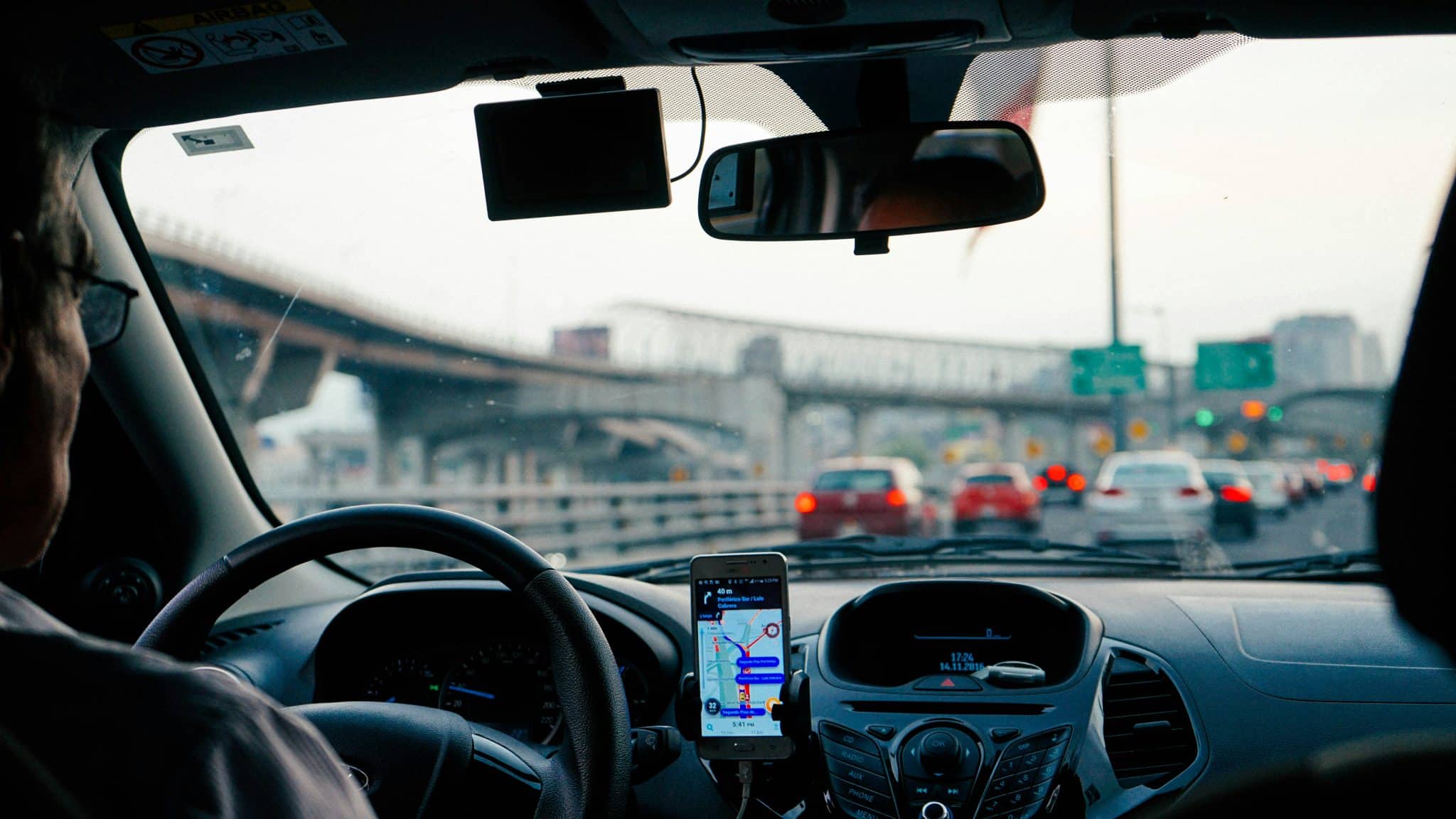
Uber and Lyft drivers rely on smartphones for navigation, trip requests, and messages. The Centros para el Control y la Prevención de Enfermedades identifies mobile-phone distraction as a major contributor to motor-vehicle injury crashes nationwide.
Speeding or Aggressive Driving
Drivers may rush between pickups because they are paid per ride. NHTSA reports that speeding remains one of the leading contributors to fatal crashes in the United States.
Driver Fatigue
Many rideshare shifts occur late at night or after long work hours. The Centros para el Control y la Prevención de Enfermedades notes that drowsy driving significantly increases the risk of roadway crashes.
Unsafe Pickup and Drop-Off Locations
Stopping in travel lanes, bus zones, or intersections can cause sudden collisions or expose pedestrians and cyclists to danger.
Vehicle Maintenance Issues
Uber and Lyft require drivers to maintain safe vehicles, but compliance varies. Issues include worn brakes, faulty lights, and bald tires.
These factors help determine negligence when building a claim against a rideshare driver, another motorist, or the rideshare company’s insurer.
Who Is Liable in a White Plains Uber or Lyft Accident?
The cause of the crash, compliance with safety rules, and the driver’s app status determine liability in rideshare accidents.
Multiple parties may share responsibility:
The Rideshare Driver
Examples of negligence include distracted driving, speeding or failing to yield, unsafe merging or lane changes, and improper pickup zone selection.
If the driver’s conduct caused the collision, their liability depends on their app status (explained later).
Another Motorist
A third-party driver may be at fault if they ran a red light, rear-ended the rideshare car, failed to yield, or drove while intoxicated.
In these cases, victims can file a claim against the at-fault driver’s auto insurer .
Uber or Lyft (Through Insurance Policies)
New York requires Transportation Network Companies (TNCs) to provide insurance coverage depending on driver status.
Corporate liability is limited because Uber and Lyft classify drivers as independent contractors, but their insurance policies may still apply.
Vehicle Owners
Under New York’s vicarious liability laws, a vehicle owner may be responsible for negligent acts committed by a permissive driver.
Municipal or Property Owners
Liability may exist when traffic signals malfunction, road design is unsafe, curbside areas lack proper signage or temporary construction zones create hazards.
These scenarios may trigger municipal liability claims.
How Uber and Lyft Insurance Coverage Works in New York
New York’s TNC insurance law uses a three-tier system based on driver status.
Period 0: Driver App Off
Coverage: Driver’s personal auto insurance only
Uber/Lyft coverage: None
Period 1: App On, Waiting for Ride Request
Minimum NY required coverage:
- $50,000 bodily injury per person
- $100,000 bodily injury per accident
- $25,000 property damage
Uninsured Motorist/Underinsured Motorist (UM/UIM) coverage also applies.
Period 2: Ride Accepted, En Route to Passenger
Coverage: Full commercial insurance coverage of up to $1.25 million
This coverage protects the driver, injured third parties, pedestrians, cyclists, and anyone harmed in a collision during this period. If another driver is at fault or is uninsured/underinsured, the rideshare company’s UM/UIM coverage may also apply.
Period 3: Passenger Onboard
Coverage: Up to $1.25 million for bodily injury and property damage
This is the most important tier for injury claims, as most accidents occur during Periods 2 or 3.
If the rideshare driver was “active,” victims may access the full TNC policy, even if another driver caused the crash under certain circumstances.
Detailed Liability Scenarios
Below are the most common and complex liability scenarios in White Plains rideshare accidents, explaining how claims unfold.
Scenario 1: The Rideshare Driver Causes the Crash While Actively Transporting a Passenger
Driver status: Period 3
Coverage:
- Uber/Lyft’s $1.25 million liability policy
- UM/UIM (if applicable)
Liable party:
- Rideshare driver (policy pays)
- Uber/Lyft insurance carrier evaluates damages
This is the clearest scenario for claim approval.
Scenario 2: The Rideshare Driver Causes the Crash While Waiting for a Ride
Driver status: Period 1
Coverage:
- Lower-tier coverage applies
- Not full $1.25 million coverage
Victims may face challenges if injuries exceed the policy limits. In some cases, victims may pursue both:
- The driver’s personal insurance
- Combined TNC coverage
Scenario 3: Another Driver Hits the Uber or Lyft Vehicle
Liable party: Third-party driver
Possibilities:
- Victims file against the third party’s insurance
- If the third party is uninsured or underinsured, Uber/Lyft’s UM/UIM coverage may activate
This scenario often results in multiple claims.
Scenario 4: The Rideshare Driver Is Offline During the Crash
Driver status: Period 0
Coverage:
- Driver’s personal policy only
Uber/Lyft insurance does not apply.
Scenario 5: Multi-Vehicle Accidents Involving Pedestrians or Cyclists
Possible liable parties:
- Rideshare driver
- Third-party drivers
- City of White Plains (if crosswalks/signals malfunctioned)
Pedestrians frequently require claims involving several insurers.
Scenario 6: Improper Pickup/Drop-Off Locations
Improper stops may cause:
- Rear-end collisions
- Dooring injuries
- Pedestrian impacts
Liability may fall on:
- Rideshare driver (negligent stop
- Third-party driver (speeding or following too closely)
Uber/Lyft insurance often applies if the app was active.
Scenario 7: Mechanical Failure or Unsafe Vehicle Condition
Liability depends on whether:
- The defect was the driver’s responsibility (failure to maintain)
- The defect was manufacturer-related (product liability)
Examples:
- Brake failure
- Tire blowouts
- Faulty steering systems
Mechanical issues can trigger claims against multiple parties, especially if maintenance negligence is proven.
The Rideshare Injury Claims Process
The claims process varies depending on liability determination and driver status. Below is a structured breakdown of how these cases progress.
Step 1: Determining App Status
Legal teams obtain data directly from Uber/Lyft showing whether the driver was offline, online waiting for a ride, en route to a passenger or carrying a passenger.
Uber/Lyft maintain digital logs with timestamps, GPS routes, and trip status.
Step 2: Filing Claims With All Potential Insurers
Victims may simultaneously file claims with the rideshare driver’s personal insurer, Uber or Lyft’s TNC insurance carrier, third-party drivers’ insurers or UM/UIM coverage providers.
Not all insurers accept liability. The process often involves denial, delays, or disputes over app status.
Step 3: Investigating Negligence
This includes police reports, vehicle damage photos, surveillance footage, Uber/Lyft GPS and route logs, phone use records, and vehicle maintenance logs.
Digital evidence is especially important in rideshare cases.
Step 4: Valuing the Claim
Compensation depends on the severity of injuries and long-term impacts.
Victims may claim medical expenses, lost wages, loss of future earnings, pain and suffering, and property damage.
Step 5: Negotiation and Litigation
Rideshare insurers may attempt to minimize payouts by claiming the driver was “offline”, disputing injury severity, arguing the victim caused the collision, offering quick, or low settlements.
Legal representation forces insurers to comply with New York insurance and negligence laws which is why it is important to contact an Uber accident lawyer in White Plains.
Why Rideshare Accident Claims in New York Require Legal Guidance
Victims often struggle to secure full compensation without legal help because rideshare cases involve multiple insurers, conflicting liability claims, shifting app-status coverage rules and complex corporate policies.
A rideshare accident lawyer can confirm coverage availability, identify liable parties, preserve key digital evidence from the accident scene, negotiate with Uber/Lyft insurance adjusters, and continue pursuing compensation for injuries or medical bills.
Contact an Uber & Lyft Accident Lawyer in White Plains
If you were injured in an Uber or Lyft accident in White Plains or Westchester County, you may need legal guidance to navigate liability and coverage disputes and pursue the compensation you deserve. Understanding how New York TNC insurance rules work is critical to protecting your rights.
To discuss your case, contact a rideshare accident lawyer in White Plains at Martin + Colin, P.C. and schedule a consultation.

Bill Martin
I founded Martin+Colin, P.C., a White Plains personal injury firm that has recovered millions of dollars for injured people across New York. Over my career, I've represented clients in some of the most serious accident cases the state sees: construction and demolition worker injuries, workplace accidents, and motor vehicle crashes involving cars, trucks, motorcycles, and pedestrians. My practice also covers premises liability and landlord negligence claims, from slip-and-fall and knockdown injuries to harm caused by broken steps and missing handrails. In every case, my focus is the same: holding negligent parties accountable and making sure injured clients and their families get the full compensation they're owed. My clients work with me because I combine a proven record of results with a straightforward, no-nonsense approach. I explain the process in plain terms, I fight hard for every client, and I treat each case with the attention it deserves. If you've been hurt in an accident, contact me and the team at Martin+Colin, P.C. for a free consultation.


