
Do I Have a Construction Accident Case?
Are You Eligible?
You got hurt at work—but do you have a personal injury claim? The construction accident lawyers at Martin+Colin have spent years evaluating cases and fighting insurance companies for injured New Yorkers. In this blog, we offer insight into the hallmarks of a strong construction accident case, as well as information to help you plan your next steps.
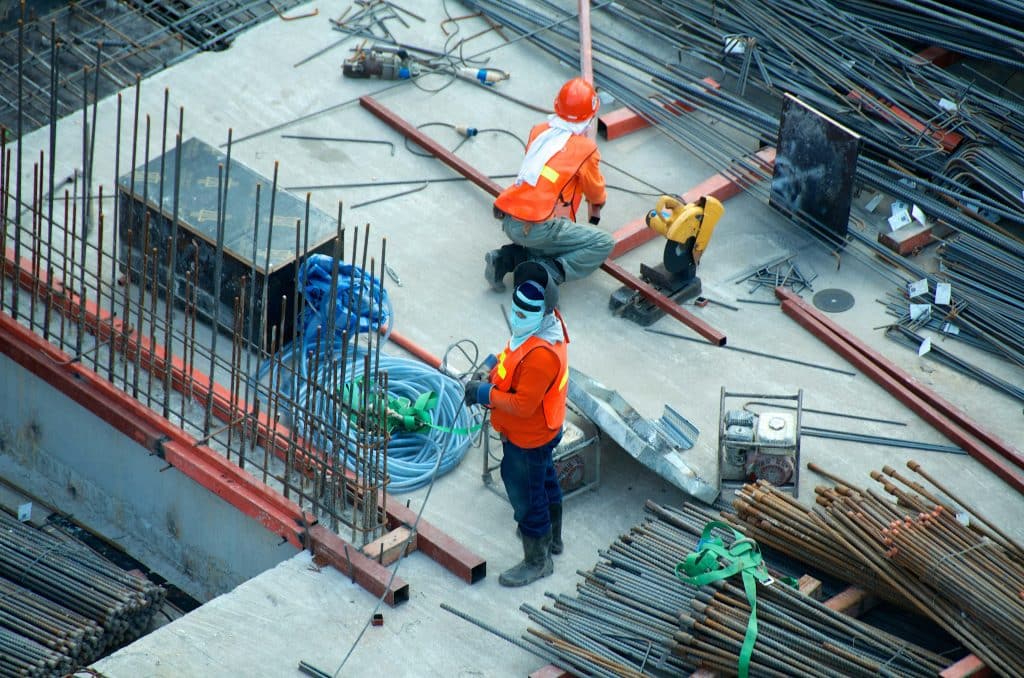
Construction work remains one of the most dangerous occupations in New York. Falls, falling objects, electrocution, and equipment failures injure thousands of workers every year, and the aftermath often leaves people unsure of their rights. If you were hurt on a job site, one of the first questions you are likely asking is: Do I have a construction accident case?
The answer depends on how the injury happened, who was responsible, and whether the parties charged with your safety failed to meet their legal duties. Here are five hallmarks of a strong construction accident claim.
Here’s How a Construction Accident Lawyer Can Help
A knowledgeable construction accident attorney will investigate the site, identify every liable party, secure and preserve evidence, calculate the full value of your losses, and negotiate with insurance companies. When a full, fair settlement cannot be reached, your attorney should be prepared to take your case to trial. For accident victims facing lost income, mounting medical costs, and long recoveries, having a dedicated personal injury lawyer can make the difference between a lowball settlement and full, fair compensation. Call Martin+Colin today for a free consultation.5 Factors in a Strong Construction Accident Case
1. A Clear Violation of Safety Regulations
When an employer, contractor, or property owner fails to comply with accepted safety codes, that violation can be a powerful indicator of liability. New York Labor Law offers particularly robust protections for workers injured in falls from heights and injuries caused by falling objects. If a missing guardrail, an unsecured scaffold, or an inadequate safety harness contributed to your injury, you may have a case.
2. Thorough Medical Documentation
Prompt treatment following the accident, along with detailed records that connect the injury directly to the incident, establish both the severity of the harm and its root cause. Consistent follow-up care, diagnostic imaging, and physician notes create a clear record that is difficult for insurers to dispute. When the evidence shows significant, legitimate medical costs, the value and strength of the claim generally increase. (It may go without saying, but we strongly encourage you to follow your doctor’s orders.)
3. Multiple Potentially Responsible Parties
General contractors, subcontractors, property owners, equipment manufacturers, and/or site managers may all bear responsibility for an accident. Identifying third parties whose negligence contributed to the accident may open additional avenues for recovery beyond a standard workers compensation claim. A claim supported by clear third-party liability often provides an injured worker with additional compensation.
4. Preserved Evidence and Reliable Witnesses
As with any type of personal injury case, evidence matters. Photos, incident reports, maintenance and inspection logs, and statements from coworkers can establish what happened and why. When this evidence is gathered quickly and remains intact, it reduces the opportunity for opposing parties to shift blame or dispute the facts. A well-documented scene tends to make the injured worker’s account far more persuasive. We strongly recommend reaching out to a construction accident attorney as soon as possible.
5. A Lasting Impact
If the accident continues to affect your ability to work, move or go about your life as you did before, you may have a viable claim. Injuries that result in extended time away from work, diminished earning capacity, permanent disability, or the need for ongoing medical care generally reflect substantial damages. When a worker can demonstrate lost wages, mounting medical expenses, and a meaningful disruption to daily life, the claim carries greater weight.
For guidance specific to your situation, call Martin+Colin, P.C.: (914) 771 7711.
Construction Accident Injury? Be Aware of the Statute of Limitations
New York’s estatuto de prescripción generally gives injured people three (3) years from the date of the accident to file a personal injury lawsuit. If a construction accident results in a fatality, surviving family members typically have just two (2) years from the date of death to bring a muerte por negligencia claim. Claims involving a public or governmental entity carry much shorter notice deadlines, sometimes as brief as 90 days. Because missing a deadline can permanently bar a claim, it is wise to speak with a personal injury attorney as soon as possible.The Benefits (and Limits) of Workers’ Compensation
Many injured workers assume that a job-site injury means they can only collect workers compensation benefits. Workers’ compensation is a no-fault system, which means you can receive benefits regardless of who caused the accident; for this reason, it is often the fastest source of support for medical bills and a portion of lost wages.
While workers compensation is an important safety net, it does not pay for pain and suffering, and it often falls short of covering the full extent of long-term losses after a serious injury. In many situations, a worker who is injured in a construction accident also has grounds for a separate personal injury lawsuit against a party other than the employer. These third-party claims can pursue compensation that workers’ compensation cannot reach.
An experienced construction accident lawyer can evaluate whether both avenues are available to you and how to pursue them without jeopardizing either. Call Martin+Colin for a full evaluation of your legal options.
New York’s Labor Law Protections
New York offers some of the strongest legal protections in the country for people hurt on construction sites. Three sections of the Labor Law form the foundation of most construction accident claims. Labor Law Section 240, often called the Scaffold Law, addresses elevation-related and gravity-related hazards such as falls from scaffolds and ladders or injuries caused by falling objects. The statute places a nondelegable duty on owners and contractors to provide proper protection, and it can impose absolute liability when that duty is breached. This protection applies whenever a worker is exposed to a significant elevation-related risk, even when the injury does not result from a fall. Labor Law Section 241(6) requires owners and general contractors to comply with specific safety regulations set out in the Industrial Code. The Court of Appeals explained the difference between this provision and general negligence claims, and courts have continued to refine these standards. Labor Law Section 200 codifies the general duty to protect the health and safety of workers and reflects common-law negligence principles. It applies when a party with control over the work site created a dangerous condition or had notice of it. For more on this important topic, please see Understanding NY Scaffold Law: New York Labor Law 240 and 241.Who Can Be Held Responsible for My Construction Accident?
A construction site typically involves many parties, and more than one may share responsibility for an injury. Determining liability is central to any personal injury case. Because workers’ compensation generally bars a direct claim against your own employer, identifying a responsible third party is often what makes it possible to file a lawsuit for the full value of your losses. Responsible parties may include, and may not be limited to:- A property owner who allowed a hazardous condition to persist;
- General contractors who failed to enforce safety standards;
- Subcontractors who left dangerous material at the site
- Equipment manufacturers who did not ensure the safety of their products; and/or
- Third-party vendors whose involvement exposed workers to dangerous conditions.
What to Do After a Construction Accident
The steps you take in the days after an injury can strengthen or weaken a future claim. If you have been injured at a construction site, here are the steps we recommend:
- Report the accident to your employer or site supervisor in writing and make sure an incident report is created. Prompt reporting protects your workers’ compensation rights and creates an early record of what happened.
- Seek medical attention right away, even if your injuries seem minor. Some serious conditions, including head and spinal injuries, do not show symptoms immediately. Consistent treatment also produces the medical records that document the nature and severity of your injuries, which are essential evidence in personal injury claims.
- Preserve evidence. Photograph the scene, the equipment involved, and your injuries if you are able. Write down the names of witnesses and note the conditions that contributed to the accident. This documentation can prove invaluable later.
A final word of warning: be cautious when dealing with insurance companies. Insurers for the property owner, contractors, and workers’ compensation carriers are focused on limiting what they pay. Adjusters may contact you quickly and ask for recorded statements or offer an early settlement. It is always best to consult a construction accident lawyer before giving any statement or accepting any offer.
Speak With Our White Plains Construction Accident Attorneys
If you were hurt on a job site, the right combination of workers’ compensation and a third-party claim can help you recover the compensation you need to move forward. As a personal injury law firm that focuses exclusively on injury cases, Martin+Colin, P.C. has recovered millions of dollars for injured workers across New York, including White Plains, Westchester County, and the Hudson Valley.
To find out whether you have a construction accident case, contact our office for a free consultation, or call (914) 771-7711 to speak with us directly. There is no fee unless we recover for you.
Recent Law Firm News
Do I Have a Construction Accident Case?
Are You Eligible? You got hurt at work—but do you have a personal injury claim? The construction accident lawyers at Martin+Colin have spent years evaluating cases and fighting i
Understanding NY Scaffold Law: Worker Protection Statutes 240 and 241
Construction remains one of the most dangerous jobs in New York. Every day, workers climb scaffolds, use ladders, and operate equipment to prepare a building for the next phase of
How Do I Choose The Best Truck Accident Lawyer in New York?
A crash with a commercial truck is not like an ordinary fender bender. Choosing the right attorney after a serious collision can shape the outcome of your entire case When a fully
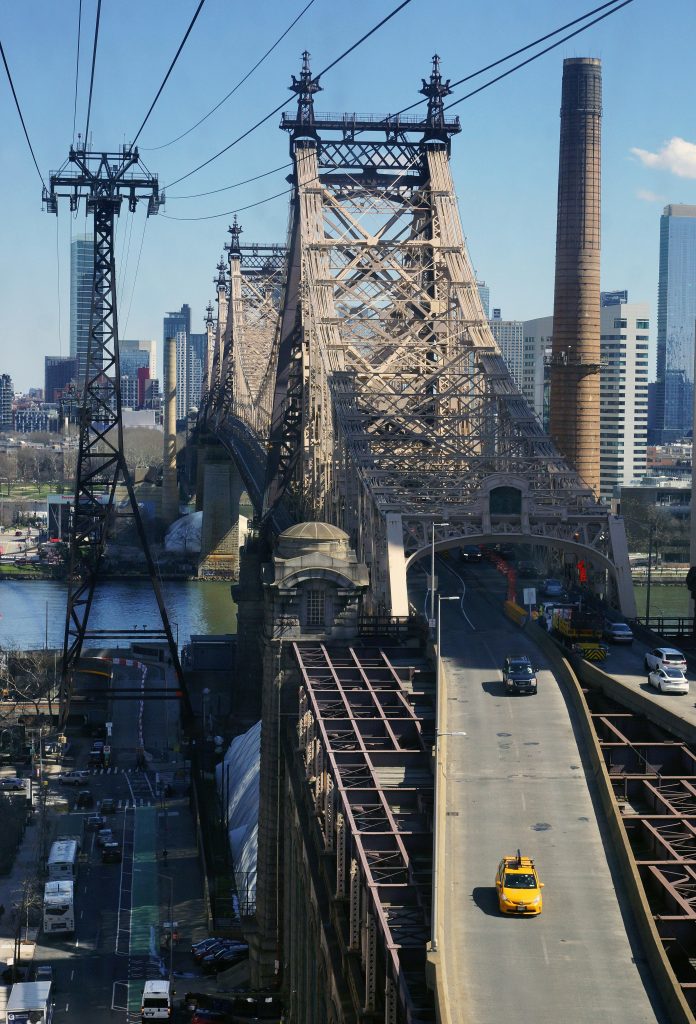
Fatal Queensboro Bridge Crash Renews Concerns About High-Speed Scooters
What Happened? On the morning of May 28, 2026, two people were killed in a head-on collision in the bike lane of the Queensboro Bridge, at the span that carries cyclists and other
SUM Coverage in New York: What Every Driver Should Know
Imagine cruising along a busy interstate when an 18-wheeler suddenly swerves into your lane. The impact is violent. Your car slams into a guardrail. The truck driver fled the scene
Nearly seven figure settlement for injured motorcyclist
We Are Westchester County’s Premier Motorcycle Accident and Personal Injury Law Firm. We Can Help You! Call Us Now! (914) 771 7711 Settled Just Days Before Trial The White Pl
Rear-End Collisions in White Plains: Proving Fault and Seeking Compensation
Rear-end collisions are among the most common motor vehicle accidents in White Plains and throughout New York. While these crashes often occur at low speeds, they can still cause s
Demolition Accidents in New York: Who’s Responsible When Things Go Wrong?
When demolition work goes wrong, the consequences can be catastrophic. Workers can suffer severe injuries from structural collapses, falling debris, explosions, or defective equipm
Electrocution Accidents on Construction Sites: Compensation for Shock Injuries
Electrocution accidents are among the most severe hazards on New York construction sites. Workers routinely encounter energized equipment, exposed wiring, overhead power lines, tem