
Understanding NY Scaffold Law: Worker Protection Statutes 240 and 241
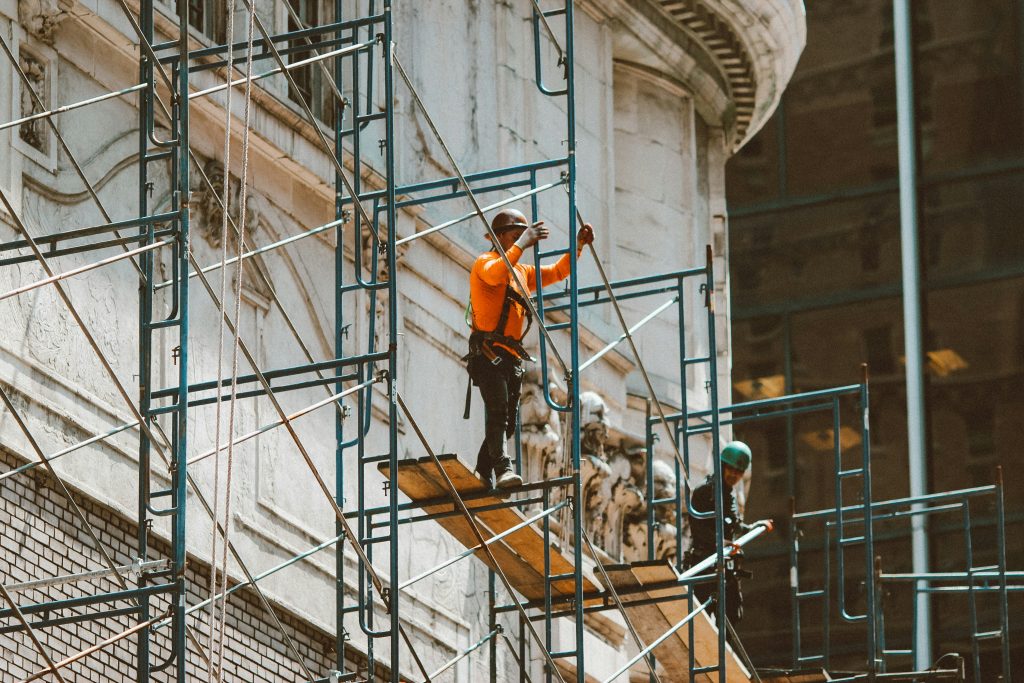
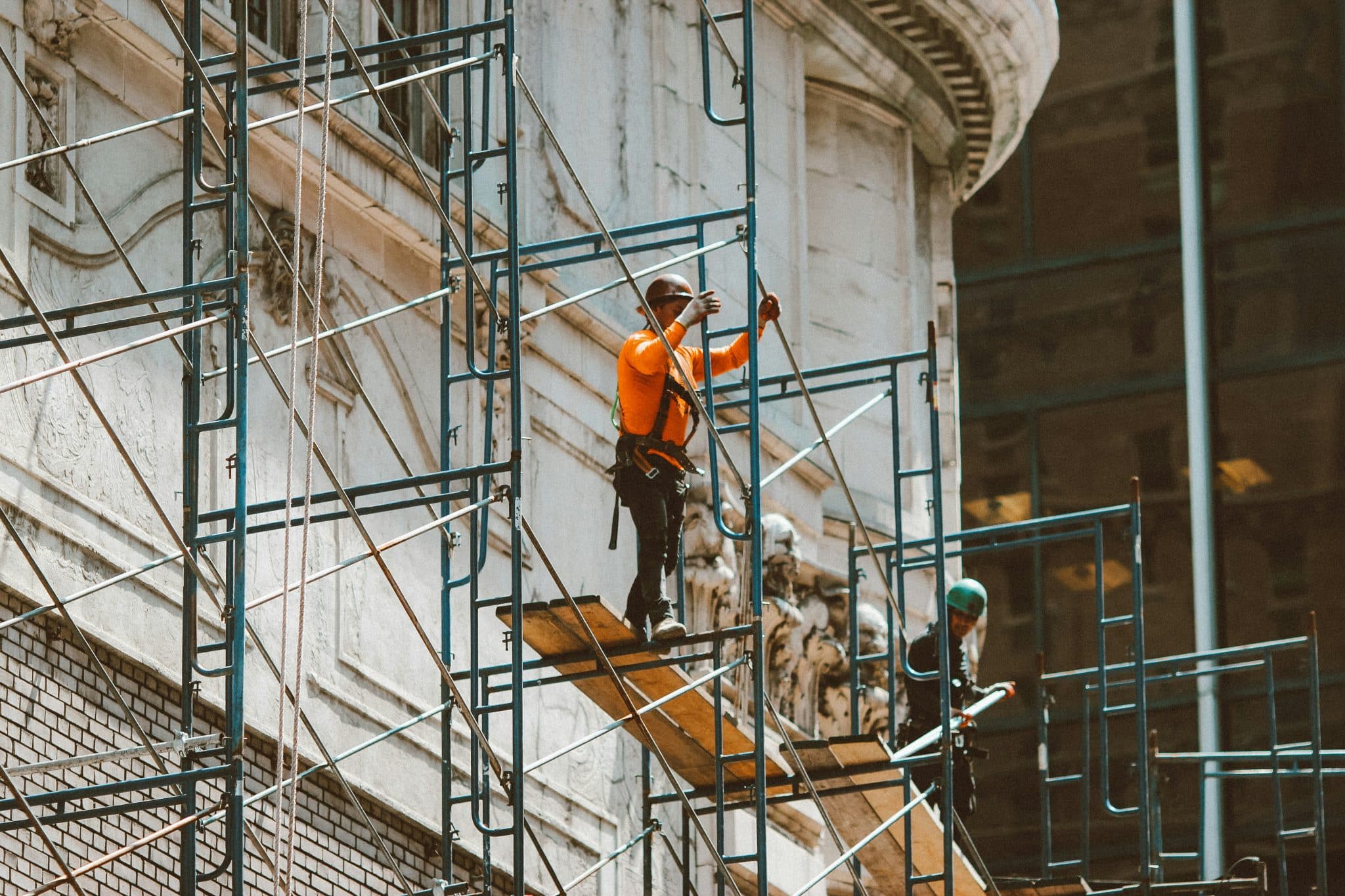
Construction remains one of the most dangerous jobs in New York. Every day, workers climb scaffolds, use ladders, and operate equipment to prepare a building for the next phase of development. When something goes wrong, falls and other gravity-related injuries can be life-changing.
They question who bears general liability for your injury can affect how much compensation you recover, and how your family moves forward after a serious injury. Under New York state law, two statutes stand at the center of that question: Labor Law 240 and Labor Law 241. Together they form some of the strongest worker protection laws in the country, and understanding them is essential for anyone hurt on a job site.
A Brief History of New York Scaffold Laws
New York passed Labor Law 240 more than 100 years ago, when thousands of construction workers died every year on dangerous, underregulated job sites. The law places responsibility on the people responsible for keeping construction sites safe; today, it remains one of the strongest worker protection laws in the country. New York’s worker protection statutes trace back to the end of the 19th century. This was a period of tremendous growth for New York; tall buildings, bridges, and rail lines were expanding rapidly, and the men performing that work had almost no legal recourse when they got hurt. Newspapers of the era regularly reported deaths and serious injuries caused by rickety, defective, or improperly erected scaffolds. Workers who fell had little recourse to recover against the employers and contractors who had furnished the faulty equipment. This was before the establishment of a federal workplace safety agency. Recently immigrated, minimum-wage workers had no workers’ compensation rights, no guaranteed medical leave, and no meaningful requirement that employers provide a safe working environment. In response to these conditions, the New York Legislature passed the original Scaffold Law in 1885, “for the protection of life and limb.” This landmark statute was one of the earliest worker safety laws in the United States; it imposed liability on any party who “knowingly or negligently” furnished or erected improper scaffolding for the performance of labor. It was later incorporated into New York’s consolidated Labor Law, becoming Section 240. In 1947, it expanded to include an amendment extending its reach to falls from elevated devices other than scaffolds. Section 240 is known today for its “absolute liability” standard. That interpretation came from the courts rather than the Legislature. In simple terms: even if a worker contributed in part to their accident, this does not excuse the corporate defendant who violated the statute and thereby caused the injury. The modern version of Section 241 took shape in the mid-1960s; it ties a defendant’s duty to the specific safety requirements set out in the New York Industrial Code, which governs heavy construction, demolition, and excavation work. Together, Sections 240 and 241 reflect a policy judgment that has held for well over a century: because construction workers face grave and often unavoidable dangers, the responsibility for providing proper safety measures rests squarely with the owners and contractors who control the work. These statutes remain among the strongest worker protections in the nation and continue to shape how construction accident claims are litigated in New York today. Read More from Martin+Colin, P.C.: Scaffold & Crane Accidents in New York: Risks, Statistics & Claims ComplexityNY Labor Laws 240 and 241: Modern-Day Applications
New York Labor Law 240, also called the New York Scaffold Law, protects construction workers who are injured in falls from heights or by falling objects. The law requires property owners and contractors to provide proper safety equipment for workers performing elevated construction work. Under New York Labor Law 240(1), owners, contractors, and their agents must provide proper safety devices for workers involved in construction, demolition, repair, alteration, painting, cleaning, and similar work. This includes scaffolds, ladders, hoists, ropes, braces, and other equipment designed to protect workers from gravity-related hazards. One reason Labor Law 240 is so powerful is that owners and contractors can be held legally responsible when required safety equipment is missing or fails. In many cases, injured workers don’t have to prove the owner acted carelessly in the traditional sense; they can be found strictly liable for simply failing to provide or ensure a safe working environment. If you were injured in a construction accident in White Plains, Westchester County, or anywhere in New York, Martin & Colin, P.C. can help determine whether New York Labor Law 240 applies to your case.Do I Have a New York Labor Law Claim?
Not every construction accident is a viable personal injury case under New York Labor Law 240; the biggest question is whether your injury happened because of a fall from a height, or as the result of a falling object. A New York construction accident attorney can review the facts, identify the responsible parties, and determine whether Labor Law 240 or Labor Law 241 applies.
You may have a claim under New York Labor Law 240 if:
- You fell from a ladder, scaffold, roof, lift, or other elevated work area.
- You were struck by falling tools, equipment, or building materials.
- Proper safety equipment was missing, defective, or failed to protect you.
- You were injured while performing construction, demolition, repair, renovation, painting, cleaning, or similar work.
Our attorneys have decades of experience representing injured construction workers and pursuing compensation under New York’s labor laws. Call (914) 771-7711 today for a free, confidential consultation.
What Types of Construction Accidents Does Labor Law 240 Cover?
New York Labor Law 240 protects construction workers from gravity-related accidents. In most cases, the law applies to two types of injuries:- Falls from a height, such as falling from a ladder, scaffold, roof, lift, or other elevated work surface; and
- Injuries caused by falling objects, such as tools, building materials, or equipment that were not properly secured or lifted.
Who Can Be Held Responsible in a Scaffold Accident?
New York Labor Law 240 places responsibility directly on property owners and general contractors. They generally can’t avoid responsibility by blaming a subcontractor. Even if another company created the dangerous condition, the owner or general contractor may still be legally responsible if the law was violated.
There are limited exceptions. Owners of one-family and two-family dwellings who do not direct or control the work are generally exempt from Labor Law 240 and 241. Beyond that narrow carve-out, the reach of the statute is broad, and defendants frequently try to shift blame or argue that the worker was the sole proximate cause of the accident.
If an insurance company or defense attorney has told you that the owner is not responsible for your injury, get a second opinion before you accept that answer. Martin and Colin, P.C. knows how to hold negligent owners and contractors accountable under New York’s Scaffold Law. You can reach our White Plains office by calling (914) 771-7711.
Labor Law 241(6) and the Industrial Code
Unlike Labor Law 240, New York Labor Law 241(6) covers many construction, excavation, and demolition hazards beyond falls from heights. General claims that a job site was unsafe usually aren’t enough. You must identify a specific safety rule that was violated.
Labor Law 241(6) also differs because comparative negligence may reduce a worker’s recovery. Even so, the law creates a non-delegable duty on owners and contractors and provides another important path to compensation after a New York construction accident.
Many injured workers can receive workers’ compensation benefits while also filing a lawsuit against a negligent property owner or contractor. Because these claims affect one another, it’s important to have an attorney coordinate both. The nuances of the law can be confusing to people who haven’t studied it extensively.
Scaffolding Accident? Experienced Representation Matters
Labor Law 240 and 241 claims are among the most heavily litigated personal injury cases in New York. Insurers and defense attorneys fight hard, arguing that a worker misused safety equipment, that adequate protection was available, or that the injury falls outside the statute.
These cases are rarely straightforward. Insurance companies often argue that Labor Law 240 doesn’t apply or that the worker caused the accident. Building a strong case means preserving evidence, investigating the job site, and identifying everyone who may be legally responsible.
An experienced White Plains construction accident attorney knows how to build that case and hold negligent owners and contractors across Westchester County and New York City accountable under the Scaffold Law.
If you were injured on a construction site anywhere in Westchester County or the greater New York City area, the team at Martin and Colin, P.C. is ready to help you understand your rights. Contact our White Plains office today at (914) 771-7711 to schedule a consultation and learn how we can pursue the compensation you deserve.
Read More from Martin+Colin: Ladder Fall Injuries at Construction Sites: Proving Negligence and Liability
Recent Law Firm News
Understanding NY Scaffold Law: Worker Protection Statutes 240 and 241

Construction remains one of the most dangerous jobs in New York. Every day, workers climb scaffolds, use ladders, and operate equipment to prepare a building for the next phase of
How Do I Choose The Best Truck Accident Lawyer in New York?
A crash with a commercial truck is not like an ordinary fender bender. Choosing the right attorney after a serious collision can shape the outcome of your entire case When a fully
Fatal Queensboro Bridge Crash Renews Concerns About High-Speed Scooters
What Happened? On the morning of May 28, 2026, two people were killed in a head-on collision in the bike lane of the Queensboro Bridge, at the span that carries cyclists and other
SUM Coverage in New York: What Every Driver Should Know
Imagine cruising along a busy interstate when an 18-wheeler suddenly swerves into your lane. The impact is violent. Your car slams into a guardrail. The truck driver fled the scene
Nearly seven figure settlement for injured motorcyclist
We Are Westchester County’s Premier Motorcycle Accident and Personal Injury Law Firm. We Can Help You! Call Us Now! (914) 771 7711 Settled Just Days Before Trial The White Pl
Rear-End Collisions in White Plains: Proving Fault and Seeking Compensation
Rear-end collisions are among the most common motor vehicle accidents in White Plains and throughout New York. While these crashes often occur at low speeds, they can still cause s
Demolition Accidents in New York: Who’s Responsible When Things Go Wrong?
When demolition work goes wrong, the consequences can be catastrophic. Workers can suffer severe injuries from structural collapses, falling debris, explosions, or defective equipm
Electrocution Accidents on Construction Sites: Compensation for Shock Injuries
Electrocution accidents are among the most severe hazards on New York construction sites. Workers routinely encounter energized equipment, exposed wiring, overhead power lines, tem
Rideshare Accidents in White Plains: Uber & Lyft Injury Claims Explained
Rideshare services like Uber and Lyft are part of everyday transportation throughout White Plain especially near the train station, the Westchester Mall, and downtown Mamaroneck Av
Ready to hire the very best lawyers to handle your case?
Bill Martin
I founded Martin+Colin, P.C., a White Plains personal injury firm that has recovered millions of dollars for injured people across New York. Over my career, I've represented clients in some of the most serious accident cases the state sees: construction and demolition worker injuries, workplace accidents, and motor vehicle crashes involving cars, trucks, motorcycles, and pedestrians. My practice also covers premises liability and landlord negligence claims, from slip-and-fall and knockdown injuries to harm caused by broken steps and missing handrails. In every case, my focus is the same: holding negligent parties accountable and making sure injured clients and their families get the full compensation they're owed. My clients work with me because I combine a proven record of results with a straightforward, no-nonsense approach. I explain the process in plain terms, I fight hard for every client, and I treat each case with the attention it deserves. If you've been hurt in an accident, contact me and the team at Martin+Colin, P.C. for a free consultation.